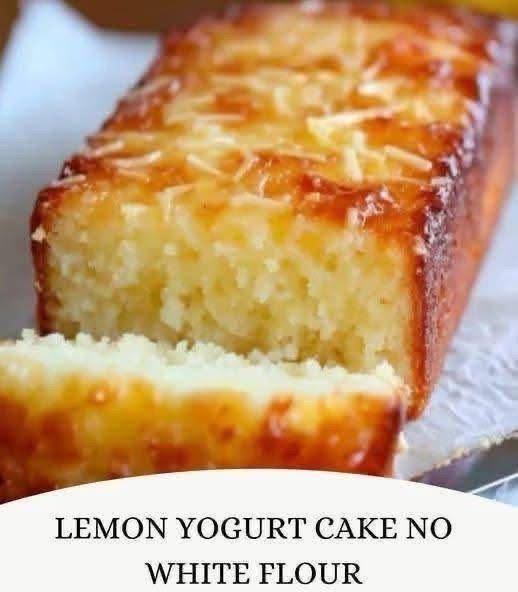
A vibrant, sun-kissed slice of cake is one of life’s simplest yet most profound pleasures. When the bright, invigorating zing of fresh lemon meets the rich, velvety moisture of Greek yogurt, the result is nothing short of magical.
Traditional baking has long relied on refined white flour and heavy cups of processed white sugar to achieve structure and sweetness. However, modern home bakers are increasingly discovering that stepping away from traditional pantry staples does not mean compromising on flavor, texture, or satisfaction. In fact, by reimagining classic desserts through a wholesome lens, we can create treats that not only taste incredible but also nourish the body with wholesome, nutrient-dense ingredients.
This Almond Flour Lemon Yogurt Cake completely eliminates white flour, utilizing nutrient-rich ground almonds instead. Naturally gluten-free, grain-free, and refined-sugar-free when sweetened with pure honey or maple syrup, this cake delivers a decadent, moist crumb that rivals any fine bakery confection. Whether you are baking for a leisurely weekend brunch, seeking a wholesome afternoon companion for your favorite cup of tea, or looking for a lighter dessert to share with loved ones, this recipe offers an effortless gateway to elevated, health-conscious baking.
The Magic of Almond Flour and Greek Yogurt
To understand why this cake succeeds so brilliantly without a single gram of white flour, it helps to look at the unique chemistry of its core ingredients. Conventional wheat flour contains gluten, a protein network that provides elasticity and structural framework to standard cakes and breads. When transitioning to grain-free baking, finding substitutes that provide a similar mouthfeel without dryness can be a challenge.
Almond flour changes the equation entirely. Made from finely ground blanched almonds, it is naturally rich in healthy monounsaturated fats, plant-based protein, and vitamin E. Because of its high oil content, almond flour naturally imparts an extraordinary moisture to baked goods, preventing the cardboard-like dryness that often plagues alternative-flour recipes. It provides a rich, buttery, subtly nutty undertone that complements fruit and citrus flavors far better than neutral wheat flour ever could.
Complementing the almond flour is plain Greek yogurt. Greek yogurt is strained to remove most of its liquid whey, leaving behind a thick, concentrated matrix of protein and fat. In cake batter, the natural acidity of yogurt interacts with leavening agents to create a tender, plush crumb while locking in hydration. It adds a subtle, pleasant tanginess that cuts through the richness of the nuts and balances the sweetness of the honey or maple syrup.
Ingredients Quantity
- Almond flour (blanched, finely ground): 1 1/2 cups
- Plain Greek yogurt (full-fat or 2%, unflavored): 1/2 cup
- Large eggs: 2 (at room temperature)
- Honey or pure maple syrup: 1/3 cup
- Fresh lemon zest: 1 tablespoon (from about 1 large organic lemon)
- Fresh lemon juice: 2 tablespoons
- Pure vanilla extract: 1 teaspoon
- Baking powder: 1 teaspoon
- Baking soda: 1/4 teaspoon
- Fine sea salt: 1/4 teaspoon
- Unsalted butter, coconut oil, or cooking spray (for greasing the pan)
Step-by-Step Instructions
Baking with alternative flours is remarkably straightforward, but observing a few intentional steps ensures your cake rises evenly, holds its structure, and achieves a gorgeous golden exterior.
1. Preparation and Oven Setup
Begin by preheating your oven to 350°F (175°C). Proper oven temperature is crucial when baking with almond flour, as nut flours brown more quickly than wheat flour due to their natural fat and sugar content.
Prepare an 8-inch round cake pan or a standard loaf pan by greasing the interior thoroughly with a little butter or coconut oil. For absolute insurance against sticking, line the bottom of the pan with a round of parchment paper, and lightly grease the paper as well. Taking two minutes to prep your pan guarantees that your delicate cake will release effortlessly once baked.
2. Whisking the Wet Ingredients
In a large mixing bowl, combine the 2 large eggs and the 1/3 cup of honey or maple syrup. Whisk vigorously for about one to two minutes until the mixture becomes pale, slightly thickened, and thoroughly emulsified.
Next, add the 1/2 cup of plain Greek yogurt, 1 tablespoon of fresh lemon zest, 2 tablespoons of fresh lemon juice, and 1 teaspoon of pure vanilla extract. Continue whisking until the wet ingredients are completely uniform, smooth, and fragrant with citrus. The yogurt should blend seamlessly into the liquid base without any lumps remaining.
3. Incorporating the Dry Ingredients
In a separate medium bowl, whisk together the 1 1/2 cups of blanched almond flour, 1 teaspoon of baking powder, 1/4 teaspoon of baking soda, and 1/4 teaspoon of fine sea salt. Whisking the dry components thoroughly ensures that the leavening agents and salt are evenly distributed throughout the dense almond flour, preventing pockets of bitterness or uneven rising.
Gently dump the dry flour mixture into the bowl containing the wet ingredients. Using a rubber spatula or a hand whisk, gently fold and stir the batter just until combined. Do not overmix; as soon as the dry streaks of almond flour disappear, stop stirring. The batter will look slightly thick, glossy, and pourable.
4. Baking to Perfection
Transfer the batter into your prepared cake pan, using your spatula to smooth the top into an even layer. Tap the pan gently against the counter a couple of times to release any trapped air bubbles from the center of the batter.
Place the pan on the middle rack of your preheated oven. Bake for 25 to 35 minutes. Because ovens vary, begin checking the cake around the 25-minute mark. The cake is done when the top is a deep golden brown, the edges have pulled slightly away from the sides of the pan, and a wooden toothpick inserted into the center comes out clean or with a few moist crumbs attached.
5. Cooling and Unmolding
Remove the cake from the oven and place it on a wire cooling rack. Allow the cake to rest undisturbed in the pan for 15 to 20 minutes. Almond flour cakes are structurally delicate while piping hot, and attempting to remove them immediately can cause them to break apart.
Once the pan has cooled enough to handle comfortably, run a thin knife gently around the edges. Invert the cake onto the rack, peel away the parchment paper, and flip it right-side up onto a serving plate. Allow it to cool completely before slicing.
Tips for Success with Almond Flour Baking
- Use Blanched Almond Flour: Ensure you purchase blanched almond flour rather than almond meal. Almond meal is ground with the brown skins left on, which results in a heavy, gritty texture and a darker, coarser cake. Blanched almond flour is finely milled from skinless almonds, yielding a soft, velvet-like crumb.
- Watch the Browning: Because almond flour browns faster than grain flours, check the cake at the 25-minute mark. If the top is already deeply golden but the center is still wet, loosely drape a small square of aluminum foil over the top of the cake for the remainder of the baking time.
- Let it Rest: This cake actually tastes even better on the second day. As it sits, the moisture redistributes evenly, and the lemon flavor deepens significantly. Giving it time to cool and set ensures clean, beautiful slices.
Customizations and Optional Enhancements
While this recipe is stellar in its purest form, its versatile flavor profile welcomes creative variations:
- Blueberry Lemon Burst: Gently fold 1/2 cup of fresh blueberries into the batter right before pouring it into the pan. The tart pop of baked berries pairs exceptionally well with the bright lemon base.
- Poppy Seed Crunch: Stir 1 to 2 tablespoons of dry poppy seeds into the dry ingredients for a classic bakery-style lemon-poppy seed experience.
- Citrus Glaze: If you prefer a sweeter finish, whisk together 1/2 cup of sifted powdered monk fruit sweetener (or powdered sugar) with 1 to 2 tablespoons of fresh lemon juice until smooth. Drizzle it generously over the cooled cake.
Nutritional Information & Mindful Indulgence
Embracing healthful baking does not mean sacrificing the joy of eating. Traditional pastries loaded with refined white flour and processed sugars often trigger rapid blood sugar spikes followed by crashes, leaving you feeling sluggish. In contrast, this flourless lemon yogurt cake relies on whole-food macronutrients that provide sustained energy.
Almond flour supplies a wealth of healthy fats, dietary fiber, and plant protein, which helps slow digestion and promote satiety. Natural sweeteners like honey or maple syrup introduce trace minerals while keeping glycemic impacts lower than refined white sugar. Combined with the gut-friendly properties of protein-packed Greek yogurt, every slice feels like a genuine treat that aligns harmoniously with a health-conscious lifestyle.
Savor a slice alongside a steaming cup of Earl Grey tea or fresh herbal infusion. It stands as proof that wholesome, nourishing ingredients can yield food that is profoundly comforting, elegant, and deeply satisfying.