l
Oatmeal cookies are a delicious and comforting baked treat made primarily with oats, flour, butter, sugar, and eggs. They have a pleasant combination of crisp edges and a soft, chewy center. Oatmeal cookies are also practical for large-batch baking, making them suitable for family gatherings, school events, cafés, and small food businesses.
Origin
Oatmeal cookies developed from traditional oat-based baked goods that were popular in regions where oats were widely available. Modern oatmeal cookies became particularly associated with American home baking during the late 19th and early 20th centuries. Over time, many variations appeared, including cookies containing raisins, chocolate chips, nuts, spices, and dried fruit.
Cultural Significance
Oatmeal cookies are strongly associated with homemade baking, comfort, and family traditions. They are often prepared for holidays, school lunches, gatherings, and everyday snacks. Their simple ingredients also make them easy to adapt to different cultures and tastes. Today, oatmeal cookies are enjoyed around the world and can be found in homes, bakeries, cafés, and commercial food products.
Ingredients and Quantity
This recipe produces approximately 50–60 medium-sized cookies.
• 500 g rolled oats
• 500 g all-purpose flour
• 400 g brown sugar
• 200 g granulated sugar
• 400 g butter or baking margarine
• 4 eggs
• 10 g baking soda
• 5 g salt
• 10 ml vanilla extract
Optional Additions
The recipe can be customized with different ingredients according to personal preference:
• 250–300 g raisins
• 200–300 g chocolate chips
• 150–200 g chopped walnuts or almonds
• 1–2 teaspoons cinnamon
• 100–150 g dried cranberries
• A small amount of shredded coconut
For a lower-cost version, raisins or a small amount of dried fruit can be used instead of nuts or large quantities of chocolate.
Tips for Success
• Use rolled oats for a pleasant texture and chewy consistency.
• Measure ingredients accurately to keep every batch consistent.
• Do not overmix the dough after adding the flour.
• Keep the cookie portions approximately the same size so they bake evenly.
• Leave enough space between cookies on the baking tray.
• Avoid overbaking; the centers should remain slightly soft when the cookies come out of the oven.
• Allow the cookies to cool before packaging them.
• For a profitable large batch, weigh each portion before baking to maintain a consistent size.
Instructions
1. Preheat the oven to 175°C.
2. Line baking trays with parchment paper.
3. Cream the butter or baking margarine with the brown sugar and granulated sugar until smooth and well combined.
4. Add the eggs one at a time, mixing well after each addition.
5. Add the vanilla extract.
6. In a separate bowl, combine the flour, rolled oats, baking soda, and salt.
7. Gradually add the dry ingredients to the wet mixture and mix until a dough forms.
8. Fold in raisins, chocolate chips, nuts, or other optional additions if desired.
9. Divide the dough into portions of approximately 30–35 g.
10. Place the portions on the prepared trays, leaving space between them.
11. Bake for approximately 10–14 minutes, or until the edges are lightly golden.
12. Remove from the oven and allow the cookies to cool on the tray for several minutes.
13. Transfer them to a cooling rack and allow them to cool completely before serving or packaging.
Description
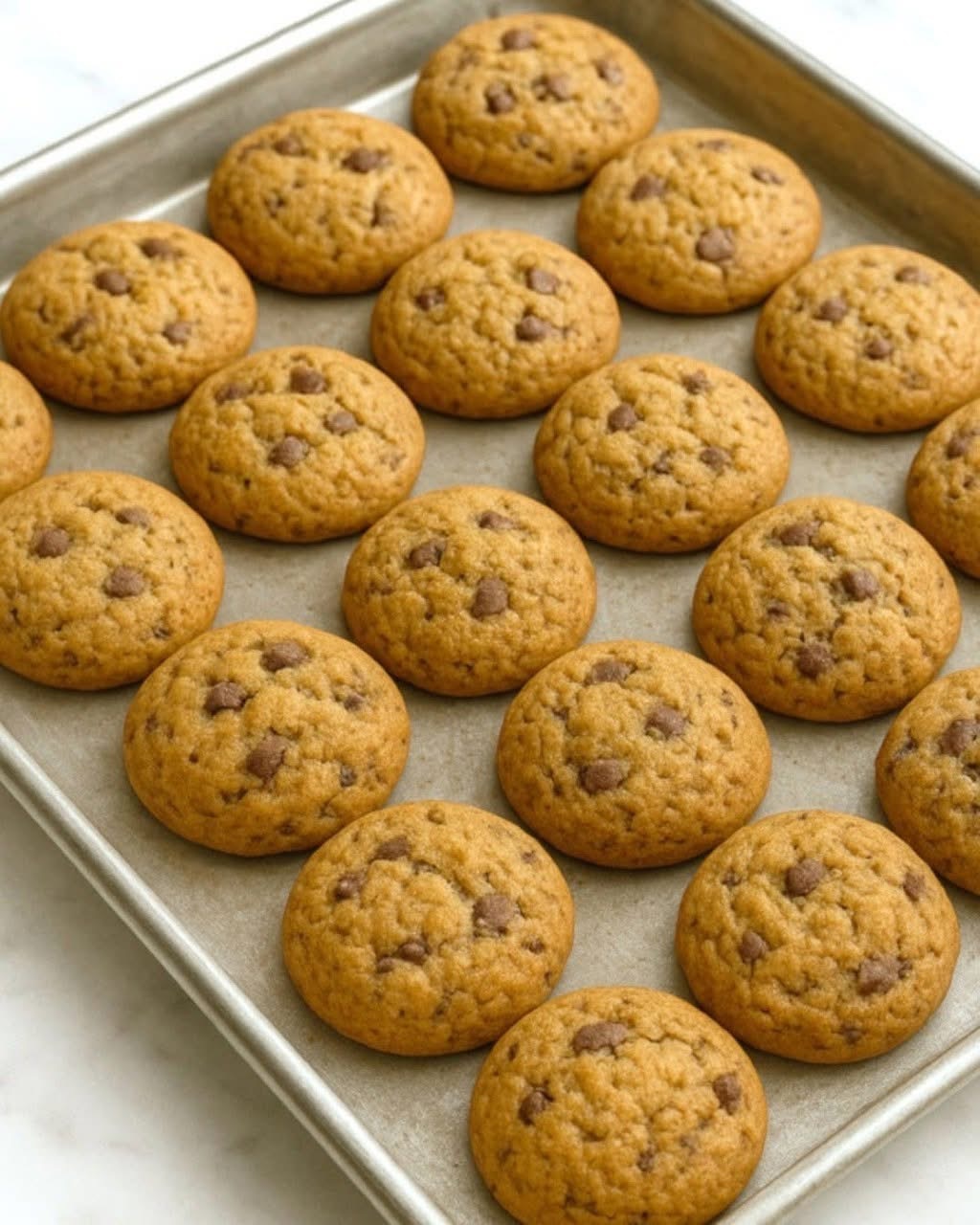
Oatmeal cookies have a warm, homemade appearance with lightly golden edges and a soft or chewy center. The oats provide a slightly nutty flavor and satisfying texture, while brown sugar contributes a rich, caramel-like taste. Optional ingredients such as raisins, chocolate chips, cinnamon, or nuts can add additional flavor and texture.
Nutritional Information
The nutritional value depends on the exact ingredients, cookie size, and optional additions. Oats provide carbohydrates, fiber, and small amounts of protein and minerals. Eggs contribute protein, while butter provides fat and energy. Because these cookies also contain sugar and butter, they are best enjoyed as an occasional treat and as part of a balanced diet.
For a more health-conscious version, part of the refined flour can be replaced with whole-wheat flour, sugar can be reduced moderately, and ingredients such as raisins, nuts, or seeds can be added for additional nutrients.
Conclusion
Oatmeal cookies are a versatile, affordable, and enjoyable baked product. Their simple ingredients and easy preparation make them especially suitable for large-batch production. With consistent portion sizes and attractive packaging, they can also be adapted for small-scale commercial sales while maintaining their homemade appeal.
Recommendation
For the best results, prepare a standard-sized cookie and keep the recipe consistent from one batch to another. If the cookies are being sold, calculate the cost of ingredients, energy, packaging, and labor before setting the selling price. Offering several flavors, such as classic raisin, chocolate chip, and nut oatmeal cookies, can provide customers with more choices.
Embracing Healthful Indulgence
Oatmeal cookies can be enjoyed as a balanced form of indulgence when prepared thoughtfully and eaten in moderation. Choosing rolled oats, reducing excessive sugar, and adding nutritious ingredients such as nuts, seeds, dried fruit, or whole-grain flour can improve the overall nutritional profile. The goal is not to eliminate the pleasure of eating cookies, but to combine enjoyment with sensible ingredient choices and portion control.
:::