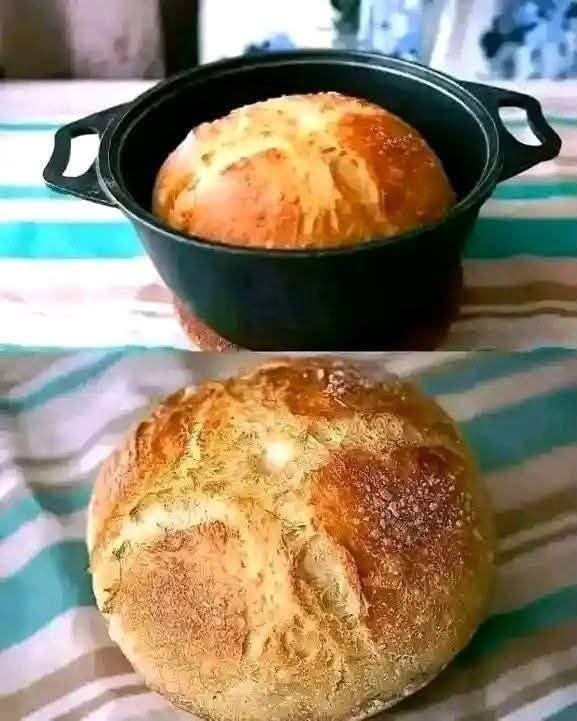
Homemade Olive Oil Bread
Introduction
There is something special about the aroma and taste of freshly baked homemade bread. This simple olive oil bread recipe uses everyday ingredients to create a soft, flavorful loaf with a beautifully golden crust. It is easy enough for beginners and delicious enough to become a regular favorite at home.
Origin
Bread is one of the oldest staple foods in the world, with traditions of breadmaking found across many ancient civilizations. Olive oil bread is particularly associated with Mediterranean and Middle Eastern cooking, where olive oil, wheat flour, and yeast are common ingredients. This recipe is a simple home-style interpretation inspired by those longstanding breadmaking traditions.
Cultural Significance
Bread has an important place in many cultures as a symbol of nourishment, hospitality, family, and togetherness. In Mediterranean communities, homemade bread is often enjoyed alongside soups, salads, vegetables, cheese, dips, and main dishes. Sharing freshly baked bread can turn an ordinary meal into a warm family occasion.
Ingredients Quantity
• 4 tablespoons (60 ml) olive oil
• 1 tablespoon (10 g) dry yeast
• 1 teaspoon salt
• 1⅓ cups (320 ml) warm water
• 4¾ cups (570 g) plain flour
Optional Additions
You can customize the bread according to your taste. Consider adding:
• 1 teaspoon dried oregano or thyme
• 1–2 tablespoons sesame seeds
• 1 tablespoon black or green olives, finely chopped
• 1 teaspoon garlic powder
• A sprinkle of rosemary
• Sunflower or pumpkin seeds for extra texture
• A small amount of grated cheese for a richer flavor
Tips for Success
• Use warm water, not hot water, because very hot water can damage the yeast.
• Measure the flour carefully. Adding too much flour can make the bread dense.
• Knead the dough until it becomes smooth and elastic.
• Give the dough enough time to rise in a warm, draft-free place.
• Do not skip the resting period after shaping, as it helps produce a lighter texture.
• For a crispier crust, place a small oven-safe dish of hot water in the oven while baking.
• Allow the bread to cool slightly before slicing so the inside can finish setting.
Instructions
1. Add the warm water and dry yeast to a large mixing bowl. Stir gently and allow it to sit for about 5–10 minutes.
2. Add the olive oil and salt.
3. Gradually add the flour while mixing until a soft dough forms.
4. Transfer the dough to a lightly floured surface and knead for approximately 8–10 minutes, until smooth and elastic.
5. Place the dough in a lightly oiled bowl and cover it with a clean kitchen towel or plastic wrap.
6. Let the dough rise in a warm place for about 1–1½ hours, or until it has approximately doubled in size.
7. Gently press down the risen dough to release excess air.
8. Shape the dough into one loaf or divide it into smaller portions for individual breads.
9. Place the shaped dough on a lined baking tray. Cover and let it rest for another 20–30 minutes.
10. Preheat the oven to 200°C (400°F).
11. If desired, brush the top with a little olive oil and sprinkle with seeds or herbs.
12. Bake for approximately 25–35 minutes, depending on the size and shape of the loaf, until golden brown and cooked through.
13. Remove from the oven and let the bread cool on a rack before slicing.
Description
This homemade bread has a golden, lightly crisp exterior and a soft, tender interior. Olive oil gives the loaf a subtle richness while helping create a pleasant texture. It is delicious served warm with butter, olive oil, cheese, soup, eggs, roasted vegetables, or your favorite spread.
Nutritional Information
Nutritional values vary depending on the exact ingredients, flour brand, serving size, and the number of portions. As a general guide, the full recipe provides approximately:
• Calories: 2,400–2,500 kcal
• Carbohydrates: 430–450 g
• Protein: 65–75 g
• Fat: 65–70 g
• Fiber: 15–20 g
• Sodium: Varies according to the amount and type of salt used
For a more nutritious version, you can replace part of the plain flour with whole-wheat flour. Keep in mind that this may produce a denser loaf and could require a slight adjustment to the water.
Conclusion
Homemade olive oil bread is a simple and satisfying recipe that transforms a handful of basic ingredients into something wonderfully comforting. The process is straightforward, and the result is fresh, fragrant bread that can be enjoyed with almost any meal.
Recommendation
Serve the bread warm with extra-virgin olive oil, butter, cheese, honey, soup, or a Mediterranean-style dip. It is also excellent for sandwiches and toast the following day.
For an especially flavorful loaf, try adding rosemary, oregano, sesame seeds, or a little chopped olive to the dough.
Embracing Healthful Indulgence
Enjoying homemade bread can be part of a balanced lifestyle. Making it yourself allows you to control the ingredients and avoid unnecessary additives found in some packaged products. Olive oil provides unsaturated fats, while flour supplies carbohydrates for energy.
For a more wholesome option, experiment with whole-grain flour, seeds, herbs, and a moderate amount of salt. The key is to enjoy the bread as part of a varied and balanced diet rather than viewing it as something that must be avoided.
Freshly baked, homemade bread is more than just food—it is a comforting reminder that simple ingredients, a little patience, and time can create something delicious to share with the people you love. 🍞❤️
:::