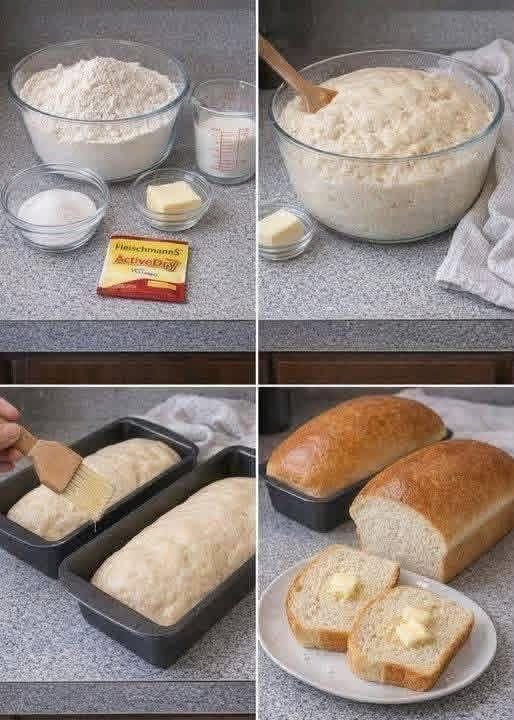
Amish White Bread is a beloved staple known for its comforting texture, rich flavor, and old-fashioned goodness. This classic loaf captures the simplicity and dedication of traditional baking, offering a homemade treat that brings warmth to any table.
Description
This bread features a soft, tender crumb encased in a golden-brown crust. Its slightly sweet flavor profile and rich texture make it exceptionally versatile, perfect for everyday sandwiches, morning toast, or pairing with homemade soups and stews.
Origin and Cultural Significance
Rooted in the culinary traditions of the Old Order Amish and Mennonite communities, this recipe reflects a lifestyle centered on community, self-sufficiency, and resourcefulness. Baking bread from scratch is a cornerstone of traditional homestead life, representing care, hospitality, and the sharing of wholesome food with family and neighbors.
Ingredients Quantity
- Warm Water: 1 1/2 cups (110°F to 115°F)
- Active Dry Yeast: 1 tablespoon (or 1 packet)
- Granulated Sugar: 1/3 cup
- Salt: 1 1/2 teaspoons
- Vegetable Oil or Melted Butter: 1/3 cup
- All-Purpose Flour: 5 to 6 cups (unbleached preferred)
Optional Additions
- Honey or Molasses: Substitute half of the sugar with honey for a deeper, earthier sweetness.
- Whole Wheat Flour: Replace up to 1 cup of all-purpose flour with whole wheat flour for a nuttier flavor and added fiber.
- Milk Powder: Add 2 tablespoons of dry milk powder to the dry ingredients for an even richer, softer crumb.
Instructions
- Activate the Yeast: In a large bowl, dissolve the warm water, yeast, and a pinch of the sugar. Let it sit for 5 to 10 minutes until it becomes frothy and active.
- Mix the Dough: Stir in the remaining sugar, salt, oil (or melted butter), and 3 cups of the all-purpose flour. Beat until smooth.
- Knead: Gradually add the remaining flour until a soft dough forms. Turn it out onto a floured surface and knead for 8 to 10 minutes until smooth and elastic.
- First Rise: Place the dough in a greased bowl, cover with a damp cloth, and let rise in a warm place for 1 to 1.5 hours, or until doubled in size.
- Shape: Punch down the dough, divide it in half, and shape each half into a loaf. Place them into two greased 9×5-inch loaf pans.
- Second Rise: Cover and let rise again for 30 to 45 minutes, or until the dough crowns nicely over the edges of the pans.
- Bake: Bake in a preheated oven at 350°F (175°C) for 30 to 35 minutes, until golden brown and the loaves sound hollow when tapped on the bottom.
- Cool: Remove from pans immediately and brush the hot crust with melted butter for a soft finish. Cool completely before slicing.
Tips for Success
- Water Temperature: Ensure your water is warm to the touch (like a baby bath) but not hot, which would kill the yeast.
- Flour Measurement: Fluff your flour with a spoon, scoop it into the measuring cup, and level it off to avoid adding too much flour and making the bread dense.
- Draft-Free Environment: Let your dough rise in a warm, draft-free spot, such as an unheated oven with the interior light turned on.
Nutritional Information (Per Slice, Approximate)
- Calories: 140
- Total Fat: 3.5g
- Carbohydrates: 24g
- Dietary Fiber: 1g
- Sugars: 3g
- Protein: 4g
- Sodium: 180mg
Embracing Healthful Indulgence
While traditional white bread is often viewed as a simple comfort food, enjoying a slice of homemade bread made from wholesome, recognizable ingredients allows you to appreciate the craft of baking without artificial additives or preservatives. Moderation and mindful enjoyment bring both joy and nourishment to your daily routine.
Recommendation
Serve this bread freshly baked and still slightly warm, slathered with rich butter and fruit preserves, or use it as the foundation for a comforting grilled cheese sandwich.
Conclusion
Amish White Bread is more than just a recipe; it is a connection to a slower-paced tradition where patience and simple ingredients create something truly extraordinary. Baking a loaf at home fills your kitchen with an unforgettable aroma and rewards you with unmatched taste and texture.
Would you like to try adapting this recipe to make dinner rolls instead of loaves?